
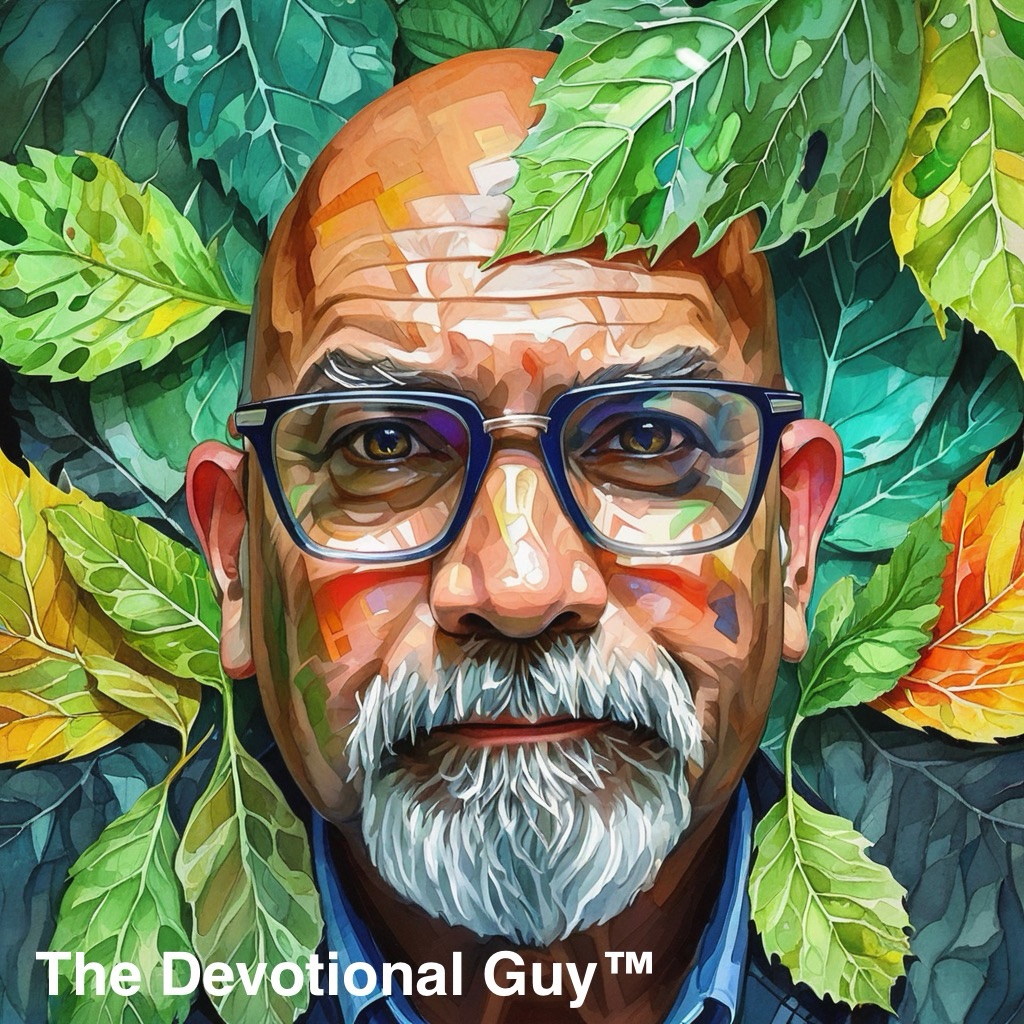
The Lord and I have spent a lot of time lately discussing the difference between humility and humiliation as I’ve tried to lean into my new path of success—down and to the left. Humility is a quality often admired but rarely understood.
Friend, have you ever paused to contemplate what it looks like to inhabit humility?

What is humility?
Humility is not about diminishing yourself or pretending to be less than you are. It’s about embracing who you are in light of a greater purpose and recognizing the interconnectedness of our lives. Inhabiting humility means allowing it to shape how you think, act, and relate to others.
Humility calls for a willingness to listen and learn, prioritizing love and service over self. This is not easy to do. Jesus, Himself, is our greatest example of humility. In Philippians 2:7-8, the Apostle Paul reminds us that Jesus “gave up his divine privileges; he took the humble position of a slave and was born as a human being. When he appeared in human form, he humbled himself in obedience to God and died a criminal’s death on a cross.” Jesus put the Father’s will above His own. Since we are ultimately on a path to become more Christlike in our thoughts, words, and deeds, this same humility is what lies ahead for us.

So, what does humility look like in practice?
1. Self-Awareness
Humility begins with an honest understanding of yourself. It’s the ability to recognize both your strengths and your weaknesses without inflating or downplaying either. When we are humble, we acknowledge that we don’t have all the answers and that our perspective, while valuable, isn’t the only one.
As believers, this self-awareness is rooted in the knowledge that we are created by God, utterly dependent on Him for every breath, and yet uniquely gifted to fulfill His purposes.
The character trait of humility is the second-most frequently taught trait in the New Testament, second only to love.
Jerry Bridges, The Blessing of Humility
2. Openness to Learn
A humble heart is open to growth. In humility, we welcome correction, listen without defensiveness, and value the perspectives of others. Humility isn’t threatened by differing opinions but enriched by them.
When we inhabit humility, we approach life as learners, eager to see how God might speak to us through others—whether they’re a trusted mentor or someone we’d least expect.
3. A Life of Service
Humility is most evident in the way we serve others. It’s about prioritizing people over recognition, giving credit where it’s due, and offering help without expecting anything in return. That’s not just counter-cultural, it’s game-changing.
Jesus modeled this perfectly when He knelt to wash His disciples’ feet, a task reserved for servants. His example challenges us to approach even the smallest acts of kindness with love and purpose.
John 13:4-5 (NLT)
“So he got up from the table, took off his robe, wrapped a towel around his waist, and poured water into a basin. Then he began to wash the disciples’ feet, drying them with the towel he had around him.”
4. Gratitude and Contentment
Gratitude serves as the hallmark of humility. When we live with an awareness of God’s blessings—both big and small—we stop striving for what we don’t have and simply rest in what He has already provided.

Contentment isn’t complacency, but rather trust. We are content when we are confident in God’s timing and that His provision is enough. Trust fosters a deeper reliance on Him and frees us from comparison or envy (confession: envy is a sin I still struggle with daily).
5. Quiet Confidence
Humility doesn’t mean thinking less of yourself; it means thinking of yourself less. It’s a quiet confidence rooted in knowing who you are in Christ. When we’re secure in our identity, we can uplift others without feeling diminished.
This confidence enables us to speak truth boldly yet graciously, standing firm in our convictions while remaining approachable and kind.
Hebrews 13:6 (NLT)
“So we can say with confidence, ‘The Lord is my helper, so I will have no fear. What can mere people do to me?'” This passage reassures us that with God as our helper, we need not fear anything or anyone.
6. Grace in Relationships
Humility is essential for healthy relationships. It allows us to forgive freely, ask for forgiveness when needed, and engage with others without judgment or condescension.
When we live humbly, we hold space for others to be themselves—even when their differences challenge us. We reflect God’s grace by loving others as they are, not as we think they should be.
Forgiving freely is life-changing.

A Journey Worth Taking
Inhabiting humility is a lifelong project. It’s not something we perfect in a day, if even in a lifetime, but something we must pursue daily. The practice—yes, inhabiting humility is a practice—is about finding the balance between pursuing growth and accepting ourselves as God made us—warts and all.
Ultimately, humility draws us closer to God and others. It allows us to walk in step with His will, embracing a life of service, gratitude, and love.
My simple encouragement to you is to ask yourself two questions:
1. What does humility look like for me in this moment?
2. How can I reflect Christ’s example of selfless love and quiet strength?
Let’s strive to be people who don’t just talk about humility but live it out, making it a cornerstone of our lives and a witness to God’s transforming power.
Grace and peace,
Rainer Bantau—The Devotional Guy™


 The Devotional Guy™
Exactly.
LikeLiked by 1 person
Totally agree with you Rainer
Guilt and conviction is the same sort of thing
One leads us to repentance and freedom.
One leads us to inaction and depression
LikeLiked by 1 person
True. But I also think it hinges based on whether it’s God initiated versus mankind initiated. Thanks for reading, Andy B, and sharing your thoughts.
LikeLiked by 1 person
“humiliation” the thing that often follows being unwilling to learn humility 😉
LikeLiked by 1 person
Amen. 🙏 Thank you.
LikeLike
Rainer, your testament offers moments of quiet reflection. While the calendar attempts to fast forward through this Advent season, your witness reminds be slow my daily pace. God will guide my own faith, and I will feel more willing to see His light. I plan to read this post again. The message’s depth deserves more time. Blessings to you and Terry.
LikeLiked by 1 person