

A #Lent26 Reflection
In Tuesday’s post, we looked at the words of the Old Testament prophet Joel. Specifically, we focused on Joel 2:12-13 and the topic of repentance. As you know, repentance is a crucial element in restoring our relationship with God, the same God, by the way, who called Joel to be a prophet.
What is a prophet?
A prophet is a person chosen by God to deliver messages to the people, often concerning God’s will, guidance, or future events. Prophets often called the people to repentance, shared divine revelations, and provided insight into God’s character and plans. In the Bible, prophets were instrumental in communicating God’s truth and bringing His people back to the right path.
Who is the Prophet Joel?
Joel, one of the minor prophets in the Old Testament, is the author of the Book of Joel, which is one of the twelve books named after minor prophets.
His prophetic ministry likely took place in the post-exilic period, though the exact timing is uncertain.
Joel primarily addresses the people of Judah, calling them to repentance in response to a devastating locust plague. Joel symbolizes the catastrophic event as a foreshadowing of the coming Day of the Lord, a time of God’s judgment and blessing.
Joel emphasizes the importance of returning to God with sincere hearts. His message is a powerful reminder of God’s desire for His people to turn back to Him and experience His mercy and grace, even in the midst of challenges.
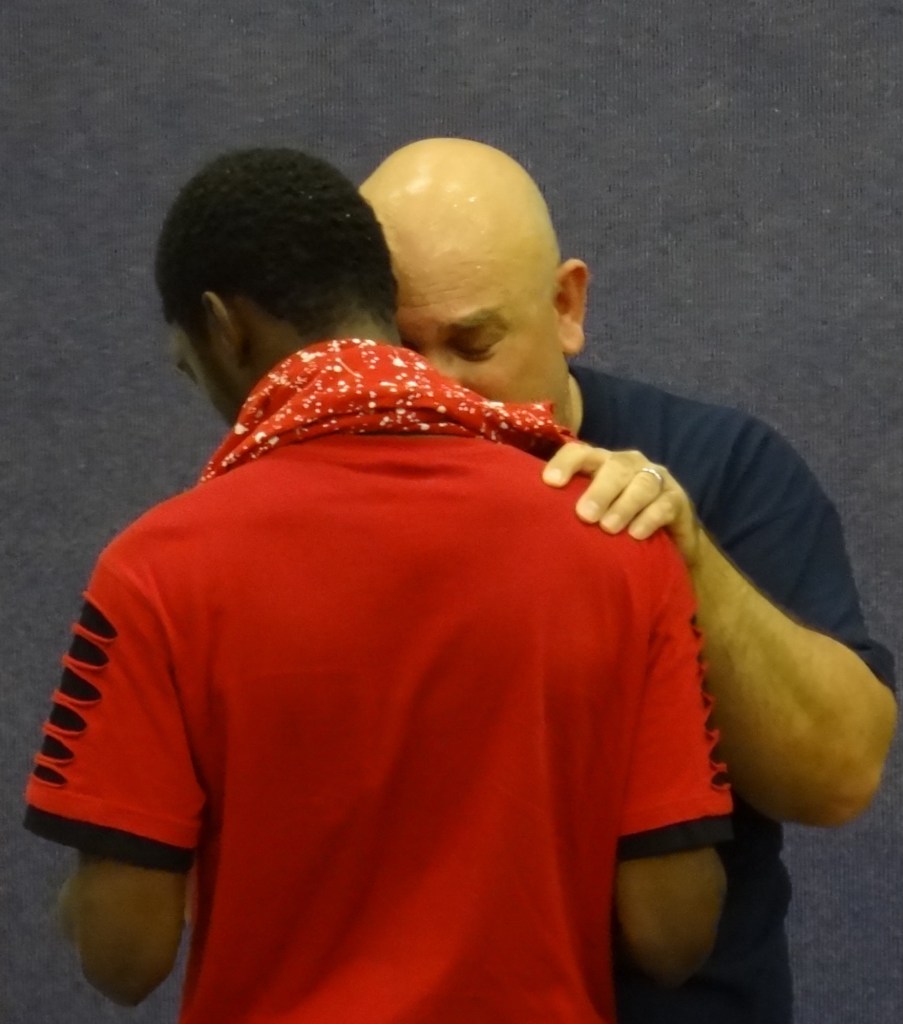
What does repentance restore?
1. It restores clarity.
Sin clouds our minds and our hearts. Pride distorts our perception.
Repentance clears the air by naming what is true. It pulls us out of delusion, back into light.
2. It restores relationship.
God does not move away from us. His address doesn’t change. His call letters remain the same. We are the ones who drift. We are the ones who stray.
Repentance is the moment we stop running as we realize He never left us.
3. It restores alignment.
When I repent, I realign my heart with what is eternal instead of what is immediate. My reactions soften. My anger loses its grip. My need to defend myself quiets.
What happens when you repent?
4. It restores tenderness.
A hardened heart cannot love well. It simply can’t.
Repentance breaks the hard crust that forms around life’s disappointments, resentment, and self-protection.
Restoration isn’t dramatic. Often it’s subtle, much like our shoulders relaxing and releasing pent up tension or perhaps like the ability to breathe comfortably returning to us. Anxiety loosens its grip on our souls. We are no longer afraid.
The long, winding road home starts with repentance.
Won’t you repent today?

I’d love for you to join the Lent 2026 Global Blogging Collaboration. If you’re interested, you can find more information and some guidelines here.
Here are some fellow bloggers who have written posts focusing on #Lent2026:
Until my next post…
Be salty, stay lit.
Rainer Bantau —The Devotional Guy™


#bgbg2#BibleGateway
The Stigma Stops Here.
#mentalhealthmatters
© 2026 Rainer Bantau | The Devotional Guy™ | All Rights Reserved

 The Devotional Guy™
Amen 🙏🤗👍
LikeLiked by 1 person
Thank you so much for your kind words of encouragement. Like you, I’m trying to follow where the Lord leads me. Blessings 🙏
LikeLiked by 1 person
This is so good, my friend.
I love how you showed that repentance is not shame driven, but restoration driven. Clarity. Relationship. Alignment. Tenderness. That is the heart of it. Joel’s call was never about punishment first, but about coming home to a merciful God.
Thank you for faithfully leading us through this season, and thank you for letting me be a part of the #lent2026 series. It truly means a lot to me.
LikeLiked by 2 people