

Turn on the news, talk to a neighbor, or scroll through your social media, and you quickly realize that we live in an era of extreme politicization and deep polarization. Our everyday lives that were once grounded in simple, shared rituals like going to the grocery store or attending community events now mean navigating a political battlefield riddled with hidden minefields. Even tragedy, which used to unite us in collective grief and compassion, has become another ground for ideological division.
What used to be private convictions are now public declarations. Lawn signs, social media bios, coffee cups, and clothing brands have all become identity markers in today’s culture war. We’re told to pick a side and stick to it. No nuance, no middle ground, no listening allowed.
Families are divided. Friendships fracture under the weight of competing narratives. Churches and workplaces tread carefully around difficult conversations, if they have them at all. One pundit recently suggested, “The time for reconciliation is here,” but many are left wondering how or worse, why? The path back to unity and loving one another feels unclear, and in many cases, impossible.
It’s important to acknowledge that the cracks in our collective unity didn’t begin with the pandemic. But the pandemic certainly widened them. What was once a difference of opinion has calcified into deep distrust and hostile disdain. Many of us are left standing in a no-man’s-land between extremes, longing for grace while finding very little room for agreeing to disagree and respecting differences of opinion. It’s all or nothing.

So where do we go from here?
As a follower of Jesus, I believe the answer begins not with a strategy, but with a Savior.
Throughout the Gospels, Jesus consistently moved toward those others avoided—tax collectors, zealots, prostitutes, lepers, and Pharisees alike. He didn’t polarize; He personalized. He didn’t posture; He invited. He didn’t reduce people to categories; He restored them to dignity. He was the bridge when the world constantly insisted on creating a chasm.
His command remains simple yet revolutionary: “Love your enemies, pray for those who persecute you… Blessed are the peacemakers, for they shall be called children of God.” It also seems next to impossible for us to do nowadays.
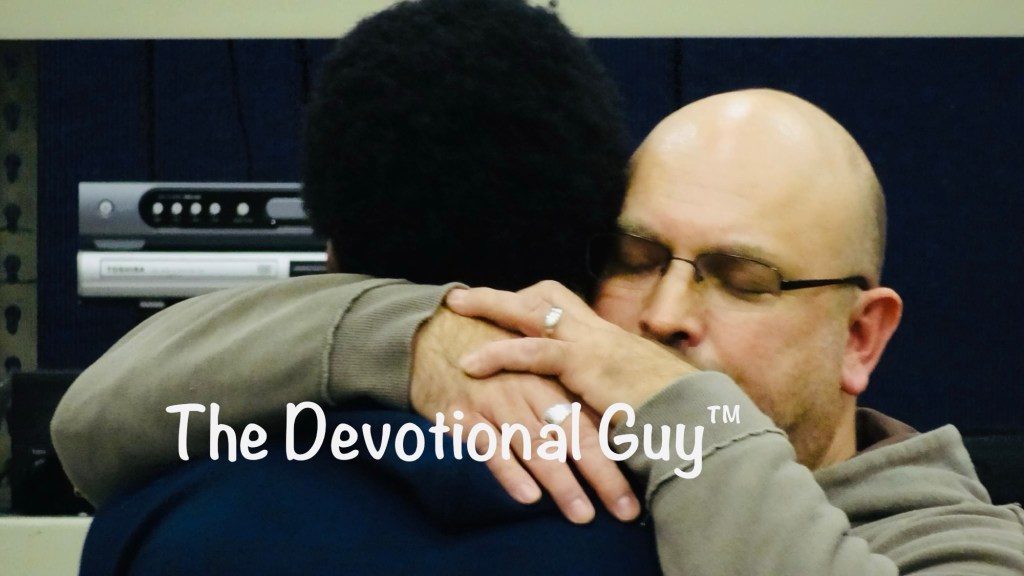
Peacemaking isn’t peacekeeping. It’s not passive. It’s hard, holy work. It means listening with the intent to understand, not just to reply. It means confessing where we’ve contributed to division and doing the patient, often awkward work of rebuilding trust. It means choosing relationship over being right, mercy over mockery, humility over hubris. Like I said, it seems impossible to do in this age of discord and division.
Reconciliation will not happen through force, nor will it come by pretending the divisions aren’t real. It begins with ordinary people. Perhaps, people like you and me who are willing to show up in love, to resist the binary thinking of this age, and to make space for grace again.
I certainly don’t have all the answers. Hell, most days, I don’t even know the right questions. I do believe we can be people of healing in a culture of harm. I do believe we can plant seeds of unity in the soil of kindness. I do believe the ministry of reconciliation that Christ gave us given is still possible, even in this present age.
Maybe belief is where the healing begins.
Until my next post…
Be salty, stay lit.
Rainer Bantau —The Devotional Guy™


#bgbg2#BibleGateway
The Stigma Stops Here.🛑
#mentalhealthmatters

 The Devotional Guy™
Amen. Sometimes it’s all the power we need.
LikeLiked by 1 person
I also believe in the power of prayer.
LikeLiked by 1 person