

Friend, thank you for joining me for this week’s edition of Bible Study Sunday as we dive into the book of Jude.
Contend for the faith that was once for all delivered to the saints.
Jude 1:3 (ESV)
Although Jude contains only 25 verses, it delivers a message that remains relevant for Christians today: We must know what we believe, stand firm in the truth, and contend for the faith entrusted to us.
In a world filled with competing ideas about truth, morality, and spirituality, Jude reminds us that following Jesus involves more than simply claiming the Christian label. It requires us to remain faithful to the Gospel and live according to the truth of God’s Word.
Let’s dig in!
Who Was Jude?
Jude identifies himself as a servant of Jesus Christ and the brother of James (Jude 1:1).
Many Bible scholars identify this Jude as the brother of Jesus, mentioned in Matthew 13:55 and Mark 6:3. Interestingly, Jude identifies himself first and foremost as a servant of Jesus Christ.
That distinction matters.
Jude’s identity was rooted not in his family connection to Jesus but in his relationship with Him as Lord.
Our relationship with Jesus should shape our identity more than our credentials, connections, or accomplishments.
1. Contend for the Faith
Read Jude 1:3–4.
Jude initially intended to write about the salvation Christians share. However, circumstances compelled him to address an urgent concern: certain individuals had infiltrated the church and were distorting God’s grace while denying the authority of Jesus Christ.
Jude urged his readers to contend for the faith.
The word contend communicates the idea of struggling earnestly or fighting for something important. Jude wasn’t calling Christians to be argumentative, combative, or unkind. He was calling them to defend the truth of the Gospel against those who would distort it.
The Christian faith is not something we should casually discard whenever it becomes inconvenient or unpopular.
We must know what we believe, understand why we believe it, and remain faithful to the truth revealed in Scripture.
Contending for the faith also requires discernment. Not every teaching that sounds spiritual reflects biblical truth. Not everyone who invokes God’s name accurately represents His character or His Word.
We cannot contend for a faith we don’t know.
That makes reading Scripture, studying sound doctrine, and growing in our relationship with Jesus essential parts of the Christian life.
Reflection: How well do you understand the essential truths of your faith? Are you prepared to recognize teaching that contradicts the Gospel?
2. Recognize the Danger of Distorting God’s Grace
Read Jude 1:4, 8–13.
Jude warns against people who misuse God’s grace as an excuse for ungodly living.
Grace is one of the most beautiful truths of Christianity. We are saved by God’s grace through faith, not by our own works (Ephesians 2:8–9).
But grace is never a license to live however we please.
God’s grace doesn’t eliminate the call to holiness. Instead, His grace changes us and teaches us to reject ungodliness and pursue a life that honors Him (Titus 2:11–14).
Jude describes people who claimed spiritual authority while disregarding God’s authority. Their behavior exposed the emptiness of their claims.
This is a sobering reminder that Christian language and Christian character are not always the same thing.
Our profession of faith should be reflected in the way we live, the way we treat others, and the way we respond to God’s Word.
We will never live perfectly. We all need God’s mercy. But there is a difference between struggling against sin and deliberately using God’s grace to justify it.
Grace doesn’t give us permission to abandon Jesus. It gives us reason to follow Him more faithfully.
Reflection: Does your understanding of God’s grace encourage you to grow in holiness, or have you sometimes treated grace as an excuse for spiritual complacency?
3. Remember What the Apostles Taught
Read Jude 1:17–19.
Jude reminds his readers to remember what the apostles of Jesus Christ had already taught them.
Why?
Because false teaching and divisive influences were not new problems. The apostles had warned that people would arise who rejected sound teaching and pursued their own desires.
Jude’s instruction offers us a practical lesson: We need a foundation that remains steady when the world around us becomes unstable.
Christians shouldn’t measure truth solely by popular opinion, personal preference, or cultural acceptance.
Neither should we assume that a teaching is true simply because it is new, exciting, or presented by someone with an impressive platform.
Instead, we must evaluate what we hear in light of God’s revealed Word.
This requires humility. We must be willing to examine our own assumptions, correct our misunderstandings, and allow Scripture to challenge us.
The goal isn’t to find biblical support for everything we already believe. The goal is to allow God’s truth to shape what we believe.
A mature Christian isn’t someone who has stopped learning. A mature Christian remains teachable while standing firmly on the truth of God’s Word.
Reflection: When you encounter a new teaching or spiritual perspective, how do you determine whether it aligns with Scripture?
4. Build Yourself Up in Faith
Read Jude 1:20–21.
After warning his readers about spiritual dangers, Jude turns to practical instructions for faithful living.
He encourages believers to build themselves up in their most holy faith, pray in the Holy Spirit, keep themselves in God’s love, and wait for the mercy of Jesus Christ that leads to eternal life.
Notice the emphasis.
Jude doesn’t merely tell Christians what to avoid. He tells them how to grow.
We strengthen our faith by remaining connected to God and His truth.
We pray. We study Scripture. We encourage one another. We remain attentive to the Holy Spirit’s work in our lives. We remember God’s love and look forward to Christ’s return.
Contending for the faith isn’t simply about recognizing error. It’s also about cultivating a faith strong enough to withstand it.
And we don’t do this alone.
Christian community matters. We need fellow believers who encourage us, challenge us, pray with us, and help us remain faithful when following Jesus becomes difficult.
Our faith grows as we consistently turn our hearts toward the One in whom our faith rests.
The best defense against spiritual deception is a life increasingly rooted in the truth and love of Jesus Christ.
Reflection: What practical steps can you take this week to strengthen your faith and deepen your relationship with Jesus?
5. Show Mercy While Standing Firm
Read Jude 1:22–23.
Jude’s instructions conclude with an important reminder about how we should respond to people who are struggling spiritually.
He calls believers to show mercy to those who doubt and to help rescue others from destructive paths, exercising discernment along the way.
This balance is essential.
Contending for the faith doesn’t mean treating people who disagree with us as enemies. It doesn’t mean humiliating those who are confused, ridiculing those who doubt, or approaching every disagreement as a battle to win.
Truth matters. So does the way we communicate it.
We should care deeply about people who are being misled. We should have compassion for those who are struggling with difficult questions. And we should be willing to speak the truth in love.
Sometimes that means patiently answering questions. Sometimes it means gently correcting a misunderstanding. Sometimes it means helping someone recognize that a particular influence is leading them away from Christ.
Mercy doesn’t require us to compromise the truth. And standing for the truth doesn’t require us to abandon mercy.
Jesus modeled both.
Our goal isn’t simply to win an argument about Christianity. Our goal is to remain faithful to Christ and help others find their way toward Him.
Reflection: How can you stand firm in biblical truth while showing genuine compassion to someone who disagrees with you or is struggling in their faith?
6. Trust the God Who Keeps You
Read Jude 1:24–25.
Jude closes his letter with a beautiful doxology—a declaration of praise to God.
He reminds believers that God is able to keep them from stumbling and to present them blameless before His glorious presence with great joy.
What a powerful way to end a letter about spiritual danger!
Jude calls Christians to contend for the faith, recognize false teaching, grow spiritually, and show mercy. Yet he doesn’t leave them believing that their perseverance depends entirely on their own strength.
Our confidence ultimately rests in God.
We have a responsibility to remain faithful, but we also have a Savior who is faithful to His people.
We will face difficult questions. We will encounter competing claims about truth. We may experience seasons of doubt, discouragement, and spiritual opposition.
But we do not face these challenges alone.
The God who calls us to remain faithful is able to sustain us. Our hope isn’t in our ability to get everything right through sheer determination. Our hope is in the grace, power, and faithfulness of Jesus Christ.
Jude finishes by directing our attention to God’s glory, majesty, dominion, and authority through Jesus Christ our Lord.
That is where our attention belongs.
We contend for the faith because Jesus is worthy of our faithfulness. And we persevere because He is able to keep us.
Reflection: When your faith is challenged, do you rely primarily on your own strength, or do you trust God to sustain you?
Putting Jude into Practice
The Book of Jude is short, but its message gives us plenty to consider as we seek to follow Jesus faithfully.
Here are five practical ways to apply its teaching this week:
- Know the Word. Set aside time to read and study Scripture so you can recognize biblical truth and discern teaching that contradicts it.
- Examine your life. Ask whether your actions reflect the grace and holiness of God.
- Strengthen your faith. Make prayer, Scripture, and Christian fellowship regular parts of your life.
- Speak the truth with love. Resist the temptation to turn every disagreement into a fight. Be gracious without compromising what Scripture teaches.
- Trust in God’s faithfulness. Remember that your salvation and hope rest in Jesus Christ, not in your ability to navigate every challenge perfectly.
A Few Questions for Further Study
Take some time to reflect on these questions or discuss them with your Bible study group.
- Why do you think Jude considered it necessary to urge Christians to contend for the faith?
- What is the difference between defending the Christian faith and being unnecessarily argumentative?
- How can we distinguish between biblical grace and using grace as an excuse for ungodly behavior?
- What practices help you remain spiritually grounded when your faith is challenged?
- How can Christians show mercy to those who are spiritually confused without compromising biblical truth?
- What encouragement do you find in Jude’s closing declaration that God is able to keep His people from stumbling?
A Closing Prayer
Heavenly Father,
Thank You for the gift of salvation through Jesus Christ. Thank You for Your Word, which guides us in truth and helps us recognize the difference between what honors You and what leads us astray.
Give us wisdom to understand Your Word, discernment to recognize false teaching, and courage to stand firm in the faith once delivered to the saints.
Guard us against pride, bitterness, and the temptation to win arguments at the expense of showing people Your love. Teach us to speak the truth with grace and to show mercy to those who are struggling.
Build us up in our faith. Strengthen our prayer lives. Deepen our love for Jesus. Help us remain faithful when following You becomes difficult.
And when we feel weak or uncertain, remind us that You are able to keep us and bring us into Your glorious presence with great joy.
May our lives bring glory to You through Jesus Christ our Lord.
In Jesus’ name, Amen.
The Bottom Line
Jude reminds us that the Christian faith is worth defending, the truth of God’s Word is worth preserving, and the people around us are worth loving.
We don’t contend for the faith to make ourselves look good, prove that we’re right about everything, or demonstrate that we’re better than someone else.
We contend for the faith because the Gospel matters. Truth matters. And Jesus Christ is worthy of our devotion.
So, know what you believe. Grow in your faith. Show mercy to others. And trust the God who is able to keep you.
Stand firm in the truth. Walk in grace. Keep your eyes on Jesus.
That’s what it means to contend for the faith.
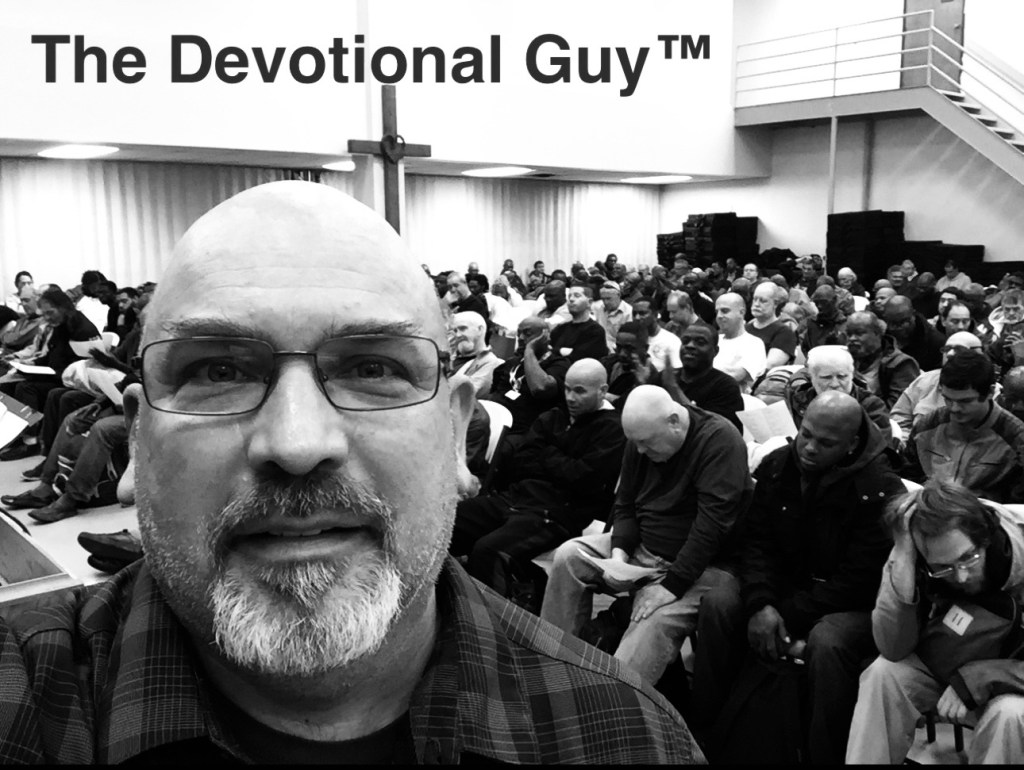
Until my next post…
Be salty, stay lit.
Rainer Bantau —The Devotional Guy™
© 2026 Rainer Bantau | The Devotional Guy™ | All Rights Reserved


